Tree Trimming & Pruning: When, Why, and How for Healthy Growth
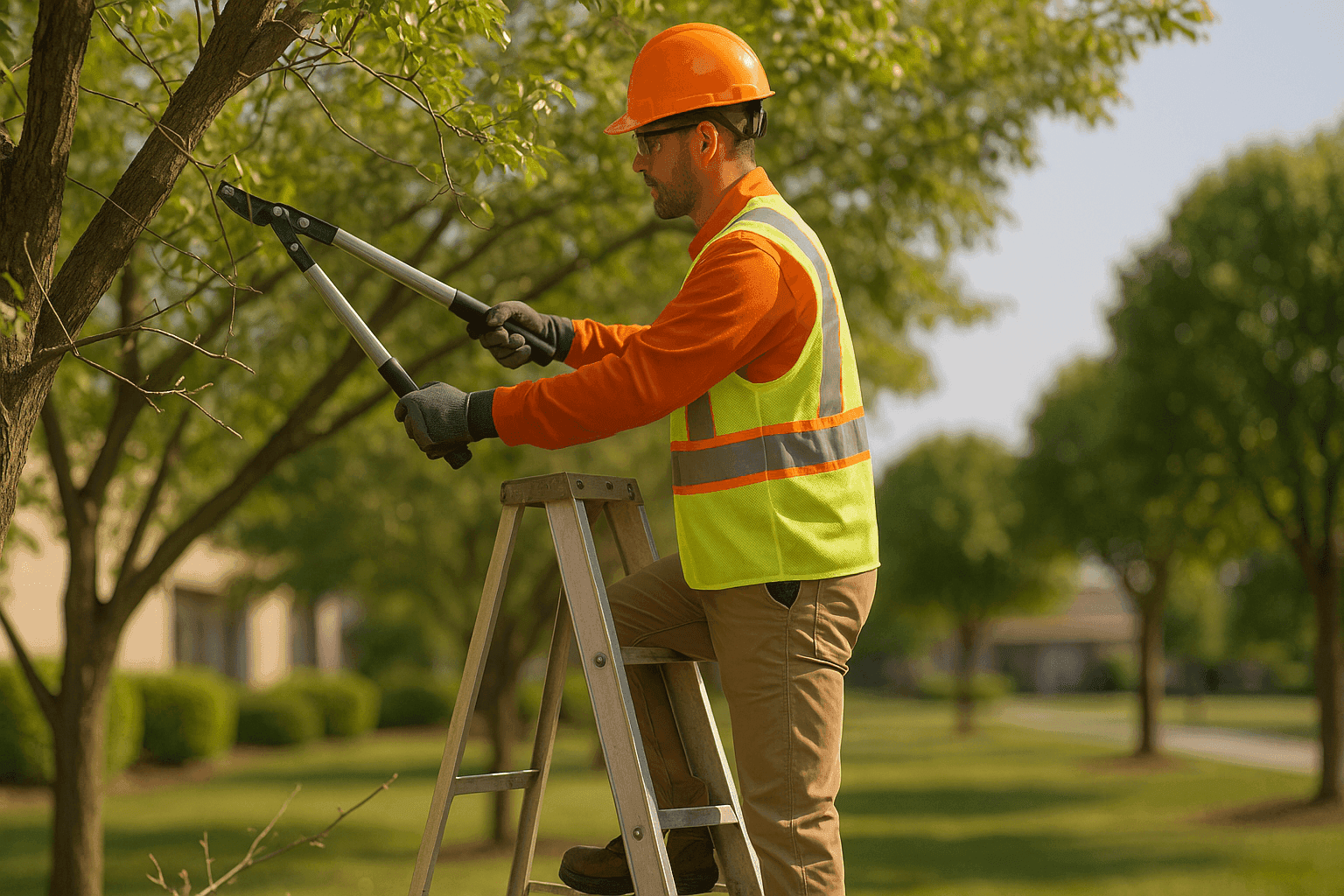
Trees are the silent anchors of any landscape—offering shade, shelter, and beauty. But even the strongest trees need a little help to grow right and stay safe. At Vincentown Landscape, we’ve seen what happens when branches are left to their own devices. Overgrown limbs, broken twigs, and unhealthy leaves can turn a tree from a proud centerpiece into a hazard.
Whether you're a homeowner with a single maple or a business manager overseeing a row of stately oaks, knowing when and how to trim or prune can make all the difference. Here’s your guide to healthy, beautiful trees—without the guesswork.
Signs Your Trees Need Trimming 🌳
Sometimes, a tree whispers for help. Other times, it shouts. Recognizing the signs can save you headaches—and money—down the road.
- Dead or broken branches: These are like loose teeth—one strong wind, and down they come.
- Dense canopy: If sunlight can’t poke through, airflow is poor. This can breed disease.
- Branches near power lines or roofs: Safety first. Overhanging limbs can cause costly damage.
- Unbalanced shape: A tree that leans or looks lopsided might need corrective pruning.
- Visible disease: Wilting, strange spots, or pests are red flags.
- Crossing branches: When limbs rub together, they create wounds—entryways for bugs and disease.
If you spot any of these, it’s time to act.
Optimal Timing for Pruning
Timing is everything in landscaping, especially with trees. Prune at the wrong time, and you might stress your trees or invite disease.
- Late winter to early spring: This is usually the best window. Trees are still dormant and wounds heal quickly come spring.
- After flowering (for ornamentals): Wait until blooms fade, so you don’t sacrifice next year’s flowers.
- Avoid late summer and fall: Pruning then can encourage new growth just as cold weather hits, risking winter damage.
Some exceptions apply. For instance, if you’re removing dead or dangerous branches, don’t wait—safety comes first.
Safe Techniques for Different Tree Types
Every tree is a little different. Oaks, pines, maples, and fruit trees all have their quirks. The right approach keeps both you and your trees safe.
Safety Gear: Protect Yourself First
- Hard hat: Falling branches can surprise you.
- Eye protection: Sawdust and twigs can do real damage.
- Gloves: Keep cuts and scrapes at bay.
- Sturdy boots: Good grip matters on ladders or uneven ground.
- Long sleeves and pants: Defend against thorns and bugs.
Never climb a tree or use a chainsaw without the right gear.
Choosing the Right Tools
- Hand pruners: For small twigs and light shaping.
- Loppers: Best for branches up to 2 inches thick.
- Pruning saws: For anything bigger.
- Pole pruners: Reach high branches safely from the ground.
- Chainsaws: Only for large limbs—and only if you’re trained.
Sharp, clean tools prevent rough cuts and disease spread.
Proper Branch Removal Methods
Cutting at the wrong spot can hurt your tree. Here’s how the pros do it:
- Locate the branch collar: This swollen area at the branch base helps the tree heal.
- Three-cut technique for large branches:
- Under-cut a foot from the trunk, about one-third through.
- Top-cut a few inches past the under-cut, letting the branch drop.
- Final cut at the collar, clean and smooth.
- Angle your cuts: Slightly downward and away from the trunk to shed water.
Never leave stubs, and never “top” a tree (cutting the main leader). Both can invite disease and lead to weak regrowth.
Avoiding Common Mistakes
Even with the best intentions, mistakes happen. Here’s what not to do:
- Over-pruning: Removing more than 25% of a tree’s canopy at once can shock it.
- Flush cuts: Cutting too close to the trunk removes healing tissue.
- Using dirty tools: This spreads disease like wildfire.
- Ignoring safety: Most tree injuries happen when people skip protective gear or use ladders unsafely.
If you’re unsure, pause. The right move might be calling a certified arborist.
Quick Safety Checklist
Before you start trimming, run through this checklist:
- Are any branches near power lines? (If so, stop and call your utility.)
- Is your ladder stable and placed on level ground?
- Are all your tools sharp and sanitized?
- Do you have help nearby for large jobs?
- Are you wearing all recommended safety gear?
A few minutes of prep can prevent hours of regret.
DIY vs. Call a Pro
Some jobs are perfect for a Saturday afternoon. Others need a pro—especially if there’s risk to property or people.
DIY is best for:
- Small, low branches you can reach from the ground
- Light shaping and annual maintenance
- Removing minor deadwood
Call a pro if:
- Branches are near power lines or buildings
- The tree is very tall or unstable
- You see signs of disease or pests you can’t identify
- Heavy equipment or climbing is needed
Certified arborists follow ANSI A300 standards for pruning and safety, ensuring your trees stay healthy and your property stays safe.
What Pros Do On Arrival
When Vincentown Landscape arrives (or any reputable landscaper), you’ll notice a methodical approach:
- Assessment: We walk the property, checking tree health, structure, and risks.
- Discussion: We’ll talk with you about your goals—whether it’s aesthetics, safety, or storm prep.
- Safety setup: Ropes, cones, and gear come out. We secure the area to protect you, your neighbors, and ourselves.
- Precision pruning: Using the right methods for your tree’s species and size.
- Clean-up: No stray branches or sawdust left behind.
You get peace of mind, and your trees get a new lease on life.
Prevention & Maintenance
Healthy trees are less likely to break in storms or fall prey to pests.
- Annual inspection: Spot problems early—look for cracks, odd growth, or insect activity.
- Mulching: Keep roots cool and moist, but don’t pile mulch against the trunk.
- Proper watering: Deep, infrequent watering encourages deep roots.
- Fertilization: Use results from a soil test to guide you. Avoid over-fertilizing.
- Keep the base clear: Don’t let vines or grass choke your tree’s root flare.
A little effort now prevents big problems later.
Costs & Time Factors
Every tree is unique. The time and cost for trimming depend on:
- Tree size and type: Larger or older trees take more work.
- Location: Trees near structures or wires require extra care.
- Amount of trimming needed: Light shaping is faster than major removal.
- Haul-away and disposal: Clean-up can add time, especially after storms.
On average, a small backyard tree might take an hour or less. A large commercial property could require several days. Budget accordingly—and remember that safety and quality come first.
When It’s an Emergency
Storms, heavy snow, or sudden breakage can turn a healthy tree into a hazard overnight.
- Broken limbs hanging over driveways, walkways, or buildings: Act quickly to prevent damage.
- Split trunks or severe leaning: These can signal imminent failure.
- Downed trees blocking access: Safety is the top priority.
If you have a tree emergency, don’t wait. Trees can be unpredictable, especially after storms. Professional help is just a call away.
FAQ
How often should I trim my trees?
Most trees benefit from pruning every 2–3 years. Fast growers or flowering species may need annual attention.
Can I trim branches touching power lines myself?
Never. Always contact your utility company or a qualified pro for anything near wires.
Is topping a good way to control a tree’s size?
No—topping weakens trees, leads to ugly regrowth, and can shorten their life.
Will pruning hurt my tree?
When done right, pruning helps trees grow stronger and healthier. Poor technique, though, can cause lasting harm.
Local/Seasonal Considerations
In our region, winter and early spring are prime times for tree work—before new growth starts and after the harshest weather. For commercial properties, scheduling pruning outside business hours can reduce disturbance. Remember, services like snow removal or seasonal cleanups can be paired with tree care for a complete landscape refresh.
For those with special features like pond installation near you, or large hardscaping projects, coordinate tree work to avoid root damage and keep your landscaping plans on track.
Healthy, well-trimmed trees are the backbone of a thriving landscape. Whether you need a seasonal touch-up or help after a storm, our team is ready.
Call Vincentown Landscape now — or reach us anytime at 855-552-6470 .