Complete Guide to Lawn Care: Year-Round Tips for a Healthy Yard
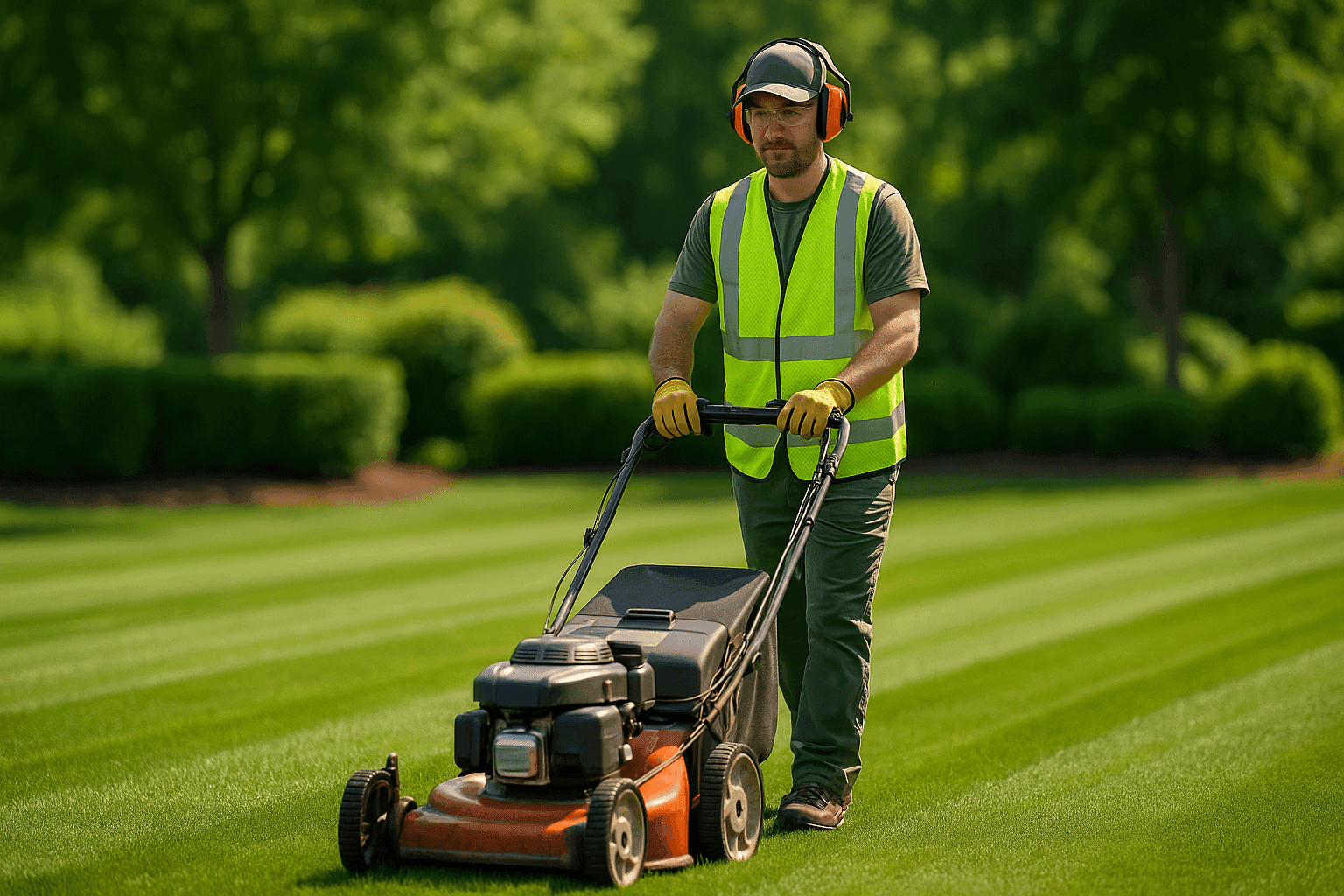
A lush, green lawn doesn’t just happen by accident. It takes planning, patience, and know-how—no matter if you’re a homeowner looking to enjoy barefoot mornings or a business owner making a strong first impression. At Vincentown Landscape, we understand both the science and the art of healthy lawns. And we know you want beautiful results without costly mistakes.
If you’ve ever wondered what it takes to keep grass thriving year-round—or why patches keep appearing despite your best efforts—this guide is for you. From soil tests to snow removal, we’re sharing practical advice built on experience and industry standards.
Understanding Your Lawn's Needs 🌱
No two lawns are exactly the same. Think of your yard as a living canvas, shaped by soil, sunlight, water, and the choices you make. Just like people, lawns have unique personalities and needs.
Key factors to consider:
- Grass type: Cool-season vs. warm-season grasses respond differently to temperature and care.
- Soil health: Good soil is the foundation—nutrient-rich and well-draining.
- Sunlight & shade: Some grasses crave full sun, others prefer a break from the midday glare.
- Traffic & use: Play areas, walkways, or commercial foot traffic can compact soil and wear down turf.
Soil Testing: Your Lawn’s Health Check
A soil test is like a blood test for your yard. It reveals what nutrients are lacking (or over-abundant) and helps you avoid guesswork.
- How to test: Use a soil probe or trowel to collect samples from several spots. Most garden centers or local extension offices offer testing services.
- What to look for: pH, nitrogen, phosphorus, potassium. Adjust fertilization based on results.
- Frequency: Every 2–3 years is ideal, or before major landscaping projects.
Reference: University cooperative extension offices are a trusted resource for soil testing guidelines.
Fertilization: Feeding the Roots
Fertilizer is to grass what a balanced diet is to people. But more isn’t always better.
- Timing: Apply when grass is actively growing—usually spring and fall for cool-season lawns, late spring and summer for warm-season.
- Type: Use slow-release fertilizers to avoid nutrient burn.
- Safety tip: Store fertilizers in original containers, away from children and pets. Follow label instructions exactly—overapplication harms plants and groundwater.
Mowing Best Practices
Mowing isn’t just a chore—it’s a science.
- Height matters: Never cut more than one-third of the grass blade at a time. Taller grass shades roots and crowds out weeds.
- Sharp blades: Dull mower blades tear grass, leaving brown tips and vulnerable edges.
- Pattern: Change your mowing pattern each week to prevent soil compaction and ruts.
Pest Prevention: Outsmarting Invaders
Grubs, chinch bugs, and other pests can quietly devastate your lawn.
- Early signs: Brown patches, spongy turf, visible insects under the soil.
- Prevention: Encourage biodiversity with aeration and proper watering. Know when to use safe, approved pest control products.
- Professional help: Large infestations or chemical applications may require licensed professionals (always follow EPA guidelines).
When to Aerate or Overseed
Aeration is like yoga for your soil—stretching tight spots and letting roots breathe.
- Aerate: If water pools on the surface or grass seems thin, it’s time. Fall is best for cool-season lawns; late spring for warm-season.
- Overseed: Bare patches or thinning? Overseed after aerating for best seed-to-soil contact.
- Tools: Spike aerators are good for small areas. Core aerators are best for larger lawns.
Seasonal Lawn Maintenance
Mother Nature keeps things interesting. Here’s how to adapt your lawn care through the year:
Spring: Wake-Up Call
- Clean up debris from winter storms and snow removal.
- Test soil and apply early fertilizer if needed.
- Overseed thin spots before weeds take over.
- Check irrigation systems for leaks or clogs.
Summer: Heat & Drought
- Water deeply but less frequently—aim for 1 inch per week.
- Mow high to shade roots and reduce stress.
- Monitor for pests and treat quickly if you spot trouble.
- Mulch garden beds to retain moisture and block weeds.
Fall: Prepare for Rest
- Aerate and overseed to repair summer damage.
- Apply a fall fertilizer for strong roots.
- Rake leaves regularly (heavy layers suffocate grass).
- Trim trees and hedges to prevent storm damage.
Winter: Rest & Recovery
- Limit traffic on dormant lawns to avoid compaction.
- Remove snow from walkways, not onto lawn edges.
- Plan landscaping projects—winter is a great time to design new beds, patios, or pond installations for the coming year.
Common Lawn Problems (and How to Fix Them) 🐞
Even healthy yards hit rough patches. Here’s how to spot issues fast:
- Weed invasions: Dandelions, crabgrass, or clover? Proper mowing, thick turf, and strategic weed control (manual or approved herbicides) make a difference.
- Brown spots: Could be drought, pet urine, or fungal disease. Investigate before treating. Water deeply, not daily; use disease-resistant grass varieties.
- Thin or patchy growth: Compacted soil, poor drainage, or low nutrients are common culprits. Aeration, topdressing, and overseeding help.
- Pest damage: Look for grubs or insects under the sod. Treat only as needed—overuse of chemicals can harm beneficial insects.
Pro Tips for a Greener Lawn
- Water early: Morning watering reduces evaporation and fungus risk.
- Sharpen mower blades: Twice a season keeps cuts clean.
- Rotate tasks: Don’t mow, fertilize, and irrigate all at once—spread tasks for best results.
- Use organic mulch: In garden beds, it enriches soil and blocks weeds naturally.
- Install edging: Keeps grass from creeping into walkways and beds.
Quick Safety Checklist 🦺
- Read and follow all safety instructions on lawn chemicals.
- Wear gloves, eye protection, and closed-toe shoes when applying treatments.
- Keep children and pets off treated areas until safe.
- Store tools and chemicals securely.
- Use ear protection with power equipment.
DIY vs. Call a Pro
Some jobs are weekend projects. Others are best left to professionals with the right equipment and experience.
DIY is great for:
- Regular mowing and watering
- Light weeding and mulching
- Small-scale aeration or overseeding
Call a pro for:
- Large-scale sod or pond installation
- Irrigation and drainage solutions
- Complex fertilization or pest control (especially for commercial properties)
- Tree trimming above shoulder height (for safety)
What Pros Do On Arrival
- Assess soil, turf, and landscape health
- Identify pest, weed, or disease issues early
- Recommend science-backed solutions (following EPA and local codes)
- Use commercial-grade tools for more effective, efficient care
- Respect your property and safety—always
Prevention & Maintenance
Consistent care beats crisis management every time.
- Set a schedule: Weekly mowing, monthly inspections, seasonal fertilizing.
- Build healthy soil with compost or organic amendments.
- Edge and mulch beds to reduce weeds and conserve water.
- Inspect irrigation systems for leaks or clogs.
- Prune trees and shrubs before problems grow.
Costs & Time Factors
Lawn care doesn’t have to break the bank, but time and costs vary:
- DIY: Lower cost, but factor in equipment, materials, and your time.
- Professional services: Save time and avoid expensive mistakes, especially for large or complex properties.
- Frequency: Mowing is weekly in the growing season, fertilizing and aeration are seasonal, while irrigation and pest control are as needed.
- Investment: Think of lawn care as protecting your property value and curb appeal.
When It’s an Emergency
- Sudden brown patches spreading quickly? Could be a pest or disease outbreak.
- Water pooling after rain? Drainage issues need prompt attention.
- Major storm damage or fallen branches? Safety first—call a professional.
FAQ
Q: How often should I water my lawn?
A: Most lawns need about 1 inch of water per week, including rainfall. Water deeply and infrequently for strong roots.
Q: Is mulching better than bagging grass clippings?
A: Yes! Mulching returns nutrients to the soil and reduces waste.
Q: How do I know when to fertilize?
A: Follow soil test results and fertilize during active growth periods—typically spring and fall.
Q: What’s the best mowing height?
A: 2.5–3.5 inches works for most grasses; taller grass crowds out weeds and tolerates drought better.
Local & Seasonal Considerations 🍂
Timing of lawn care tasks shifts with local climate and grass type. Adjust schedules for your zone—warmer regions may require earlier mowing and later winterization, while cooler climates focus on fall repairs and spring wake-up calls.
- If you’re planning a landscaping project like walkway installation or pond installation near you, factor in weather patterns and soil conditions.
- Snow removal and leaf cleanup routines should adapt to your area’s seasonal cycles.
- Always check local codes and extension service guidelines for region-specific advice on fertilization, pest control, and landscaping best practices.
Ready to enjoy a healthier, greener lawn—without the guesswork?
Call Vincentown Landscape now — or reach us anytime at 855-552-6470 .