How to Prevent Weeds in Garden Beds: Pro Strategies That Last
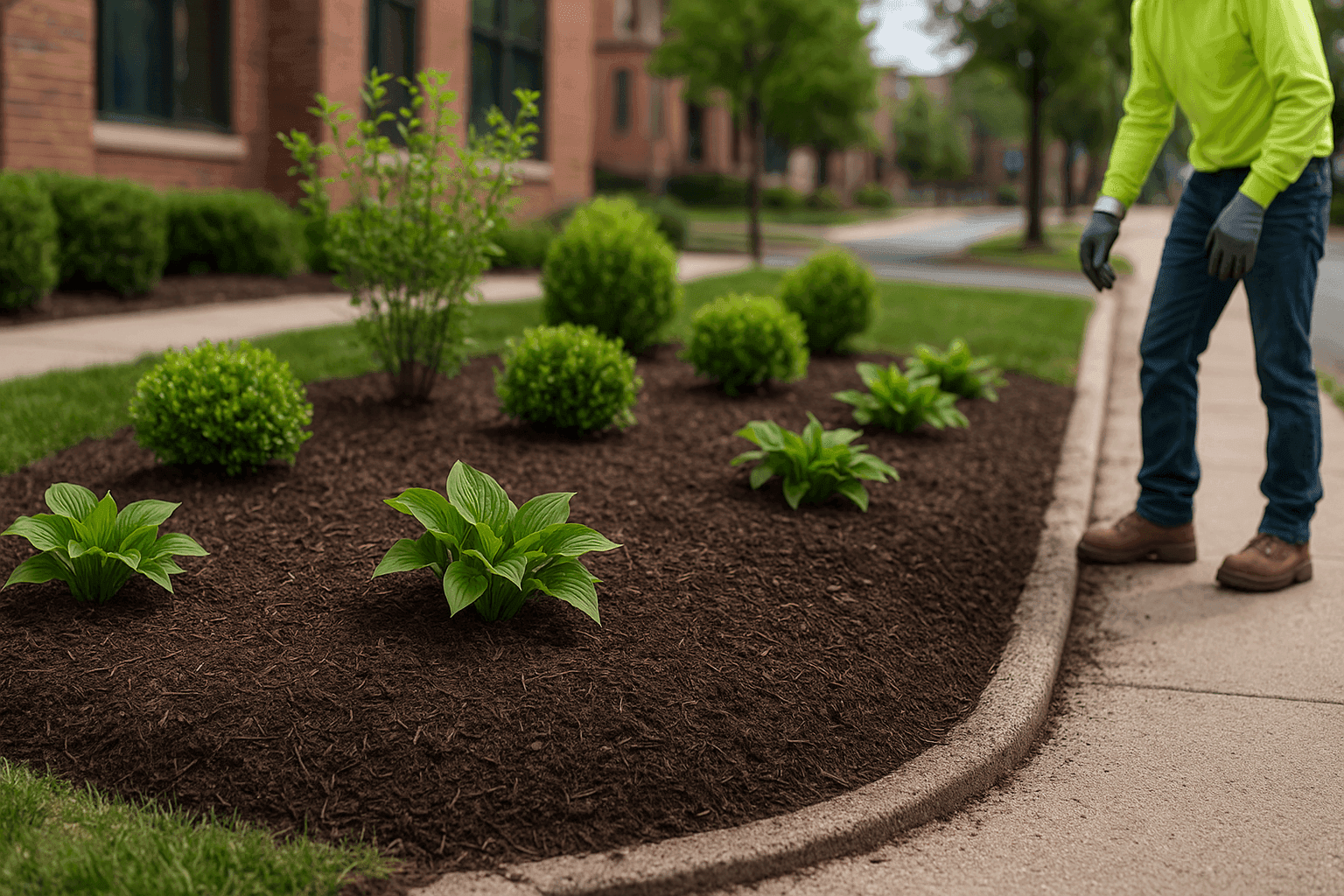
Keeping weeds out of your garden beds can feel like fighting dandelions in a windstorm. Just when you think you’ve won, they pop back up. At Vincentown Landscape, we know the relief of a clean, vibrant garden—and the frustration when weeds take over.
We’ve helped countless homeowners and businesses reclaim their garden beds from relentless weeds. Here’s how you can finally get ahead of the problem, with practical steps that work for both residential and commercial landscapes.
Why Weeds Are a Problem
Weeds are more than just unsightly. They’re gatecrashers at your garden’s party, stealing water, nutrients, and sunlight from your plants. The result? Weak flowers, stunted vegetables, and stressed shrubs.
Worse, some weeds—like crabgrass and bindweed—spread like wildfire. They’re pros at surviving and can return year after year unless you break the cycle. For commercial properties, weeds send the wrong message to customers and can even violate local code requirements. The stakes are high for every landscape.
Proactive Weed Control Methods 🌱
The best way to handle weeds? Stop them before they start. This means more than just pulling what you see. You need a plan that targets weeds above and below the surface.
Organic vs. Chemical Weed Control
- Organic Approaches:
- Hand-pulling, hoeing, and using natural mulches.
- These methods are safer for kids, pets, and pollinators.
- They work well for smaller gardens or properties focusing on sustainability.
- Chemical Approaches:
- Pre-emergent and post-emergent herbicides.
- Offer quick results for tough infestations or large commercial areas.
- Always follow the label and local safety guidelines (see resources from the Environmental Protection Agency and Rutgers Cooperative Extension).
How Mulching Works
Mulch acts like a shield. It blocks sunlight, making it tough for weeds to sprout. It also keeps soil moist and cool, which helps your plants but not the weeds.
- Organic mulches (like shredded bark or compost) slowly feed the soil, too.
- Inorganic mulches (stone, landscape fabric) last longer but don’t improve soil health.
Spread mulch 2–3 inches deep, but keep it away from plant stems to avoid rot. Refresh it every season for best results.
Timing of Weed Removal
Timing matters as much as technique. The best window is early spring, before weeds go to seed. Removing them then means fewer seeds in your soil for next year. For persistent invaders, tackle them after rain—the soil is loose and roots come up easier.
Choosing the Right Mulch and Barriers
Mulch is your first line of defense, but not all mulches are created equal. Think of it like choosing the right armor for a battle.
- Wood chips: Great for paths and trees, but avoid near veggie gardens (they take nitrogen as they break down).
- Shredded bark: Ideal for flower beds—natural and attractive.
- Compost: Feeds the soil while smothering weeds.
- Landscape fabric: Blocks weeds but allows water through. Always cover with mulch for looks and UV protection.
For high-traffic areas or new beds, combine fabric with a thick mulch layer. This double barrier is especially effective after Pond Installation near you, where soil disturbance can awaken dormant weed seeds.
Safe Herbicide Use
Herbicides have their place—especially in large commercial landscapes or severe infestations. But safety comes first.
- Read labels closely. Only use products approved for your state and application.
- Wear gloves and long sleeves to protect your skin.
- Apply on calm days to prevent drift onto desirable plants.
- Never spray near ponds, play areas, or edible gardens unless the product is labeled safe for those zones.
Refer to the EPA’s guidelines and your local cooperative extension for best practices.
How to Prepare Beds Before Planting
Starting with a blank slate makes weed prevention much easier.
- Remove all roots and weeds before planting. Dig deep—leftover roots will regrow.
- Till the soil only if necessary. Over-tilling brings buried seeds to the surface.
- Add a pre-emergent weed preventer if using (corn gluten meal is an organic choice).
- Install edging to keep grass and creeping weeds out.
- Lay mulch or fabric before placing plants.
Seasonal Weed Management
Weed pressure changes with the seasons. Here’s how to stay ahead:
- Spring: Tackle weeds early. Apply mulch before seeds germinate.
- Summer: Patrol beds weekly. Spot-treat or pull young weeds before they flower.
- Fall: Remove debris and spent plants. Many weeds drop seeds in autumn—don’t give them a chance.
- Winter: Mulch exposed soil to prevent early spring sprouting.
For commercial landscapes, pair weed patrols with regular Landscape Maintenance visits.
Mistakes to Avoid
Even seasoned gardeners slip up. Here’s what not to do:
- Skipping mulch: Bare soil is a weed magnet.
- Letting weeds flower: One dandelion can drop thousands of seeds.
- Ignoring the edges: Most weeds invade from the borders.
- Overwatering: Soggy soil favors weeds (and fungus).
- Using the wrong herbicide: Some products kill everything—including your favorite plants!
Quick Safety Checklist
- Wear gloves and eye protection when handling chemicals.
- Store herbicides and tools safely—out of reach of children and pets.
- Know your plants: double-check before pulling or spraying near ornamentals.
- Dispose of weeds and roots—don’t compost invasive types.
- Monitor for re-growth after treatment.
Organic vs. Chemical Weed Control: A Closer Look
Organic weed control is about working with nature, not against it. Hand-pulling, hoeing, and mulch are slow but steady. They build soil health and can be as satisfying as finishing a puzzle.
Chemical control is the power tool in your shed—fast, but not always precise. It’s best for large, tough areas or when weeds threaten to take over. Always follow Rutgers Cooperative Extension recommendations for safe application.
DIY vs. Call a Pro
Some garden beds are easy to manage with elbow grease and a few bags of mulch. But if you’re dealing with:
- Large commercial landscapes
- Aggressive, hard-to-kill weeds (like nutsedge or Japanese knotweed)
- Repeated weed failures despite your best efforts
…it might be time to call in the cavalry. Pros like Vincentown Landscape use specialized tools, soil testing, and advanced techniques for long-lasting results.
What Pros Do On Arrival
Here’s what happens when a landscaping team arrives to tackle weeds:
- Assess the site: Identify weed species and sources.
- Test the soil: Poor soil invites weeds—pros check pH and nutrients.
- Create a plan: Tailored for your plants, soil, and goals.
- Apply treatments safely: Including mulching, targeted herbicides, or installation of barriers.
- Schedule follow-ups: Regular maintenance is key for lasting results.
Prevention & Maintenance
The real secret to weed-free beds? Consistency.
- Inspect beds weekly. Catch new sprouts before they spread.
- Top up mulch every season. Thin spots invite weeds.
- Edge beds regularly. Grass and weeds love to sneak in at the margins.
- Maintain healthy plants. Strong roots and dense foliage crowd out weeds naturally.
For commercial sites, set a Landscape Maintenance schedule that includes weed control, mulching, and periodic soil testing.
Costs & Time Factors
Weed control isn’t one-size-fits-all. Costs depend on:
- Size of your beds or property
- Severity and type of weed problem
- Materials (mulch, fabric, herbicides)
- Frequency of maintenance
For most residential beds, DIY methods require a few hours per month. Commercial landscapes or severe infestations may need ongoing professional attention. Remember, prevention is almost always cheaper than repeated fixes.
When It’s an Emergency 🚨
Some weed situations can’t wait:
- Poison ivy or giant hogweed—dangerous to touch
- Weeds overwhelming new sod or pond installations
- Invasive species listed by your state (check with your local extension office)
If you spot these, call a professional right away. Quick action prevents bigger problems.
FAQ
Q: Can I use newspaper or cardboard as mulch?
A: Yes—layered under organic mulch, these materials smother weeds and break down over time. Make sure to avoid glossy paper or colored ink.
Q: How often should I re-mulch?
A: Every 12–18 months for most organic mulches. Check for thin spots after heavy rain or wind.
Q: Is hand-pulling enough?
A: For small beds or new gardens, yes. For larger or established landscapes, combine with mulch and periodic professional weed control.
Q: Are all herbicides safe for pets?
A: No. Always check the label, and keep pets away until the product is dry or as directed.
Local and Seasonal Considerations
Weed types and timing vary by region and season. In the Northeast, for example, cool spring soil favors chickweed and henbit, while summer brings crabgrass and purslane. Commercial properties near water features or ponds should use only approved products to protect wildlife.
Check with your local cooperative extension for region-specific advice. Always follow local codes for chemical use and disposal.
Ready for weed-free garden beds, healthy plants, and a landscape you can be proud of?
Call Vincentown Landscape now — or reach us anytime at 855-552-6470 .