Patio & Walkway Installation: What to Know Before You Build
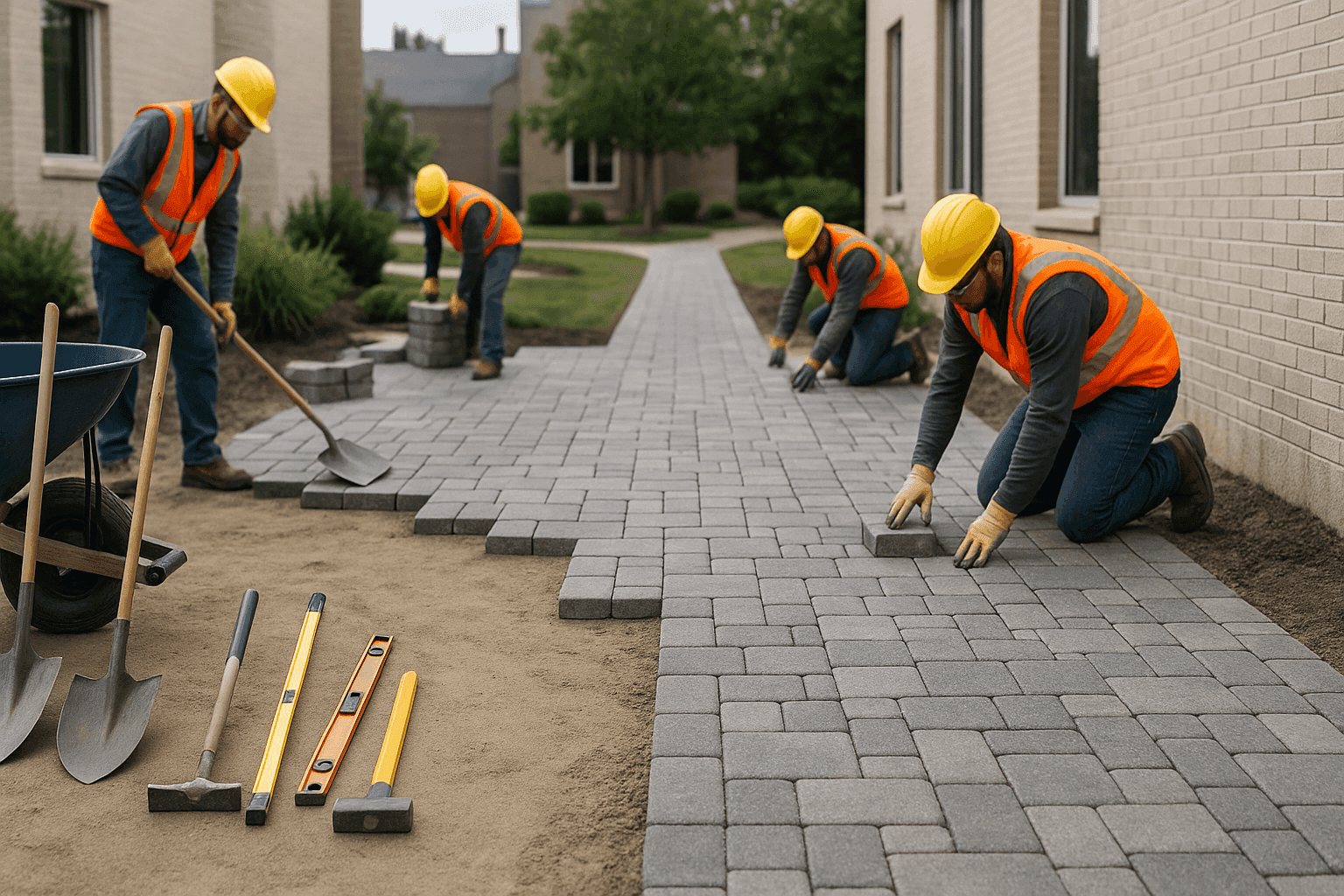
Dreaming about a patio where you can stretch out in the sun? Or a walkway that invites guests right up to your door? It’s a big step—literally. Patios and walkways shape how you use your outdoor space and set the stage for every gathering, quiet moment, or stroll through the garden.
At Vincentown Landscape, we see the difference a well-planned path or patio makes for both homes and businesses. Before you break ground, let's roll up our sleeves and look at what you need to know, from choosing the right stone to deciding whether to DIY or call in the pros.
Assessing Your Space
Picture your yard. Is it flat or sloped? Shady, sunny, soggy, or bone dry? Every outdoor area has its own quirks—knowing yours is the first step.
- Measure carefully. Use a tape measure or even a garden hose to outline your ideal shape.
- Check for obstacles. Trees, roots, existing structures, and underground pipes all affect your plans.
- Consider flow. Think about how people (and pets!) move through your space. Where do you want walkways to lead? Should your patio catch the afternoon sun, or nestle in the shade?
- Drainage matters. Water needs a way out. Puddles on your new patio aren’t just annoying—they can lead to cracks or moss.
A little time observing your yard during heavy rain or after snowmelt tells you a lot. The American Society of Landscape Architects recommends evaluating site drainage and sun patterns before any project begins.
Choosing the Right Materials
Materials are the backbone of any great patio or walkway. They set the mood, handle your climate, and shape your ongoing maintenance.
Pavers
Pros:
- Uniform size makes them easy to install.
- Loads of color and shape options.
- Replace a single damaged paver instead of the whole surface.
Cons:
- May shift if not installed over a solid base.
- Weeds can sneak up between stones without proper edging.
Natural Stone
Pros:
- Timeless, natural look.
- Each piece is unique—like a fingerprint for your landscape.
- Strong and durable when installed correctly.
Cons:
- Pricey.
- Heavy and tricky to install.
- Slippery when wet unless textured.
Concrete
Pros:
- Smooth, modern appearance.
- Can be stamped or tinted for style.
- Lower cost than stone.
Cons:
- Prone to cracking in freeze-thaw climates.
- Repairs can be visible.
Drainage Considerations
No matter what you pick, a patio or walkway that doesn’t drain is like a sponge in a rainstorm. Proper installation means:
- Setting surfaces with a slight slope (about 1/4 inch per foot, away from buildings).
- Adding a gravel base and sand layer under pavers or stone.
- Using edging to keep materials in place.
Refer to local building codes and guidelines from the Interlocking Concrete Pavement Institute for best practices.
Matching Materials to Climate & Style
- Cold winters? Choose frost-resistant materials.
- Hot, sunny spots? Lighter colors stay cooler underfoot.
- Classic or modern? Pavers offer crisp lines; natural stone blends with gardens.
Budgeting & Cost Factors
Every project starts with a number. Before you’re knee-deep in gravel, know what to expect.
- Materials: Natural stone costs more than concrete. Paver prices vary by style.
- Labor: DIY saves on labor, but professional installation is faster and often lasts longer.
- Preparation: Don’t overlook site work. Removing grass, leveling, and adding a base layer are musts.
- Extras: Edging, lighting, and drainage bump up the total.
Most homeowners spend several thousand dollars on a new patio or walkway. For commercial landscaping, add costs for access, heavy machinery, and code compliance. The National Association of Landscape Professionals offers guidance on typical project expenses.
Professional vs. DIY Installation
Should you hire out or go it alone? It depends on your skills, time, and appetite for heavy lifting.
DIY: The Ups and Downs
Pros:
- Save on labor.
- Full control over design and pace.
Cons:
- Backbreaking work—one ton of pavers is, well, a ton.
- Mistakes with leveling or drainage can be costly.
- May take weeks instead of days.
Professional Installation: Why It’s Worth It
Pros:
- Fast, efficient, and code-compliant.
- Pros handle tricky cuts, slopes, and drainage.
- Warranty on workmanship.
Cons:
- Higher upfront investment.
- Need to coordinate schedules.
For complex projects, commercial properties, or installations involving retaining walls and irrigation, professional installation is highly recommended. Industry standards from the National Concrete Masonry Association set clear benchmarks for quality and safety.
Maintenance Tips
A patio or walkway is like a car—it needs a little care to look and work its best.
- Sweep regularly to keep grit from scratching surfaces.
- Power wash once or twice a year.
- Replenish joint sand between pavers.
- Seal concrete or stone every few years (follow product instructions).
- Check for shifting or settling after winter freeze-thaw cycles.
- Trim nearby hedges and trees to prevent roots from lifting stones.
For commercial landscaping, schedule routine inspections to maintain a safe, welcoming walkway for customers and staff.
Actionable Checklist Before You Build 📝
- [ ] Measure and mark your desired patio or walkway area.
- [ ] Call 811 to have underground utilities marked.
- [ ] Decide on materials that suit your climate and style.
- [ ] Plan for drainage and proper slope.
- [ ] Set a realistic budget, including site prep and extras.
- [ ] Choose between DIY or professional installation.
- [ ] Get necessary permits (check with your local municipality).
- [ ] Plan for maintenance—both time and cost.
What to Expect During Installation
Whether you’re rolling up your sleeves or watching the pros, here’s what usually happens:
- Site Prep: Remove grass, roots, and debris. Excavate to the needed depth.
- Base Layer: Add compacted gravel and sand for stability and drainage.
- Laying Materials: Place pavers, stone, or pour concrete, checking for level as you go.
- Edging & Finishing: Install edging to prevent shifting, fill joints, and tidy up.
- Cleanup: Power wash, clear debris, and enjoy your new space.
Expect some noise, dust, and possible access restrictions for a few days. For businesses, schedule work during off-hours if possible.
Maintenance Tips for Longevity
- Promptly remove leaves to prevent stains and moss.
- Address weeds early—they’ll always try to sneak in.
- Inspect after storms for pooling water or loose stones.
- Keep irrigation systems in check to avoid overwatering edges.
FAQ: Patio & Walkway Edition
How long does installation take?
Most patios and walkways are installed in 2–7 days, depending on size, materials, and weather.
Will my patio or walkway crack or settle?
Proper base preparation reduces settling and cracking. Some settling is normal; periodic maintenance keeps things level.
Can I add features like lighting or water elements?
Absolutely—plan these during the design phase for easy installation.
Do I need a permit?
In many areas, yes. Check with your local township or city for requirements.
Local and Seasonal Considerations 🌦️
For those in regions with freezing winters, schedule installation for spring or early fall. Hot summers can cause materials to expand and make work uncomfortable. In rainy climates, extra attention to drainage is a must.
Commercial properties need to consider ADA (Americans with Disabilities Act) accessibility for walkways. Always reference the latest building codes and accessibility guidelines.
Ready to Build the Path to Your Dream Yard?
A new patio or walkway transforms how you use your outdoor space—at home or at work. Planning ahead helps you avoid headaches and get the most from your investment. Vincentown Landscape is here to help, whether you want full-service installation or just a little advice along the way.
Call Vincentown Landscape now — or reach us anytime at 855-552-6470 .