Fire Pit Safety and Design: Enjoy Outdoor Spaces All Year
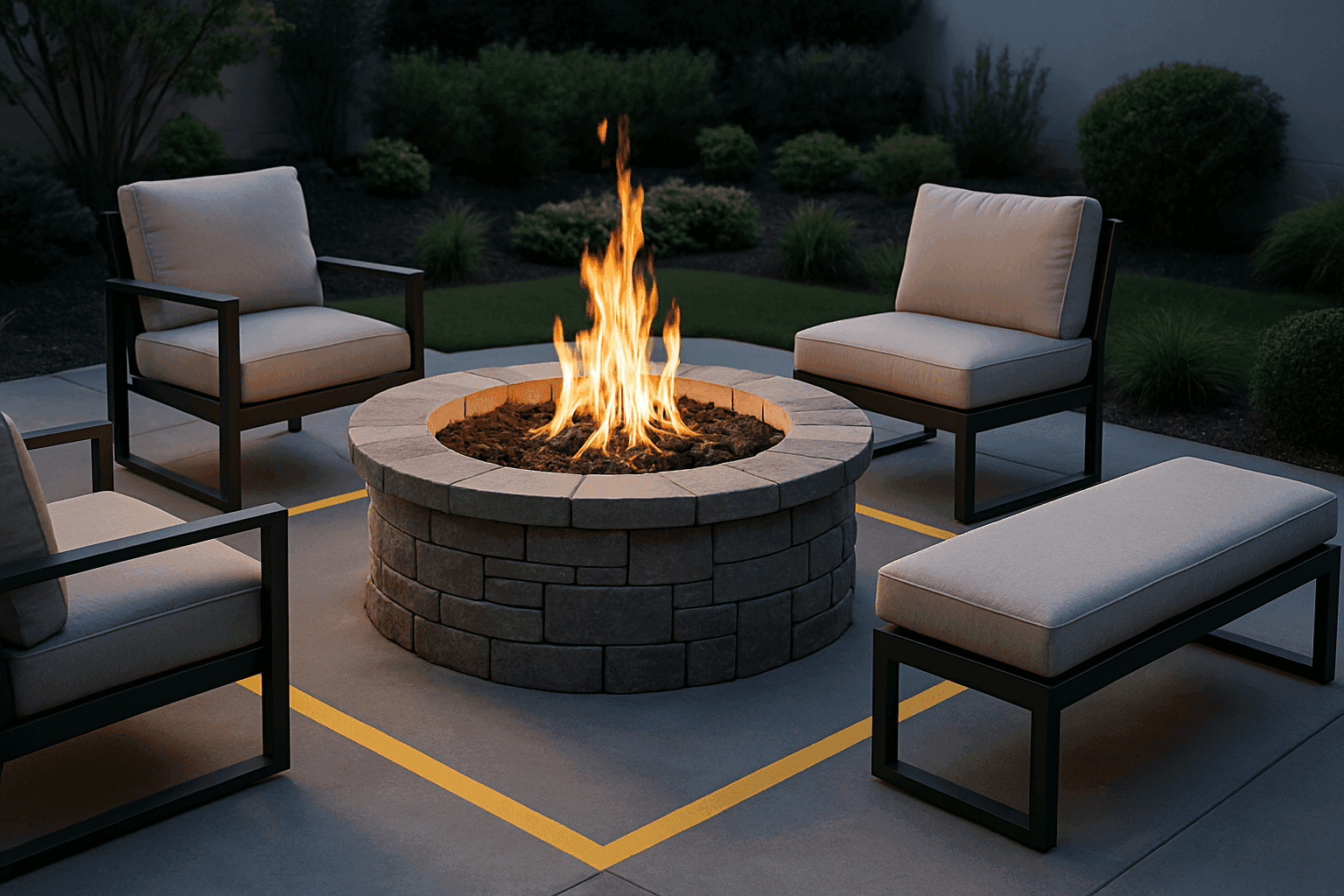
There’s something timeless about gathering around a fire pit. The flicker of flames. The laughter. The warmth that brings people together. But before the first log is lit, there’s a lot more to consider than just tossing stones in a circle.
At Vincentown Landscape, we know a well-designed fire pit can turn any backyard or commercial property into a year-round destination. But safety always has to come first. With the right planning and design, you’ll enjoy the glow—without risking your home, business, or loved ones.
Choosing a Safe Location
Picking the perfect spot for a fire pit is like finding the heart of your landscape. It needs to be welcoming—but also smart.
Proper Distances from Structures
Think of fire as a guest with plenty of personal space needs. The National Fire Protection Association (NFPA) recommends placing wood-burning fire pits at least 10 to 25 feet away from any buildings, fences, or overhanging branches. Gas fire pits may require less, but always check local codes.
- Keep clear of sheds, garages, or play areas.
- Watch for low-hanging wires or tree limbs.
- Slope matters: Avoid spots where wind could blow sparks toward your home or seating area.
- Consider traffic flow: Make sure there’s a clear path around the fire pit, especially for gatherings.
Local Codes and HOA Rules
Many towns and neighborhoods have specific regulations about open flames. Some require permits. Others restrict the size, type, or even the days you can use a fire pit. Always check with your local fire department or municipality before installation.
Best Materials for Fire Pits 🪨
Not all stones and bricks are created equal. Some crack or even explode under heat. Others age beautifully, becoming more inviting year after year.
- Steel or Cast Iron: Sleek, modern, and durable. Great for movable fire pits.
- Fire-Grade Brick: Holds up well to repeated use and changing seasons.
- Concrete Pavers: Affordable and easy to shape into custom designs.
- Natural Stone: Rustic, beautiful, but must be rated for high heat.
Never use river rocks or non-fire-rated stones—they can trap moisture and burst.
Fire-Resistant Surroundings
Lay a buffer zone around your fire pit. Gravel, sand, or stone patios work well. Avoid mulch, grass, or synthetic turf right up to the edge. Think of it as a moat to catch stray sparks.
Essential Safety Guidelines
Fire, even controlled, needs respect. Here’s how to keep gatherings safe and fun.
Safe Ignition and Extinguishing Practices
- Start small: Use kindling or a fire starter—never gasoline or lighter fluid.
- Long-handled lighters keep hands away from flames.
- Extinguish completely after every use. Douse with water, stir ashes, and repeat until cool to the touch.
- Keep a bucket of sand, water, or a fire extinguisher nearby—just in case.
Regular Fire Pit Maintenance
Like any part of your landscaping, fire pits need care:
- Remove ashes after each use—cool completely first.
- Check for cracks in stone or metal.
- Inspect gas lines (for gas fire pits) before every season.
- Cover when not in use to keep out debris and rain.
The U.S. Consumer Product Safety Commission (CPSC) recommends routine checks to prevent hazards.
Design Inspiration for All Seasons ✨
A fire pit is more than a hole in the ground. Done right, it’s the anchor for a welcoming outdoor retreat—no matter the season.
- Autumn: Pair with cozy Adirondack chairs and soft throws.
- Winter: Add windbreaks with decorative screens or hedges.
- Spring: Surround with new sod installation, garden beds, or water features.
- Summer: Incorporate walkways, outdoor lighting, and seating walls for long evenings.
Mix fire pits with other landscaping features—like pond installation near you or a custom patio—to create a year-round gathering space.
Seating and Flow
Design seating to encourage conversation but keep guests a safe distance from flames (at least 3 feet). Curved benches or moveable chairs work best.
Lighting
Soft outdoor lighting creates ambiance and helps people navigate safely at night. Solar path lights or low-voltage LEDs are both practical and beautiful.
Quick Fire Pit Safety Checklist
- Place fire pit 10–25 feet from structures and trees
- Use only fire-rated materials
- Never burn trash, leaves, or treated wood
- Always supervise children and pets
- Keep fire extinguishing tools nearby
- Check local codes before installation
DIY vs. Call a Pro
Building a fire pit can be a weekend project—or a major upgrade. It depends on your vision and comfort with tools.
- DIY fire pits: Kits are available, but always follow manufacturer and local safety guidelines. Mistakes can be costly or dangerous.
- Professional installation: Pros like Vincentown Landscape ensure compliance with codes, expert material choice, and seamless integration with your landscaping.
Think of it like baking bread: You could try from scratch, but sometimes it’s better (and safer) to let an experienced baker do the work.
What Pros Do On Arrival
When our crew shows up, we:
- Assess the site for safety and drainage
- Mark out safe boundaries
- Consult on design and materials
- Verify code compliance (permits, setbacks)
- Install fire-resistant bases and proper venting
- Test for safe ignition and extinguishing
We also offer advice on ongoing maintenance, seasonal care, and enhancing your outdoor space with walkways, patios, or garden beds.
Fire Pit Prevention & Maintenance
Routine care keeps your fire pit safe and beautiful.
- Clear debris after storms or heavy use.
- Inspect for wear: Freeze-thaw cycles can damage stone or brick.
- Check gas connections for leaks (use soapy water).
- Schedule seasonal cleanups—especially before and after heavy use.
Vincentown Landscape offers landscape maintenance and seasonal cleanups that include fire pit checks, leaf removal, and more.
Costs & Time Factors
Fire pit projects vary as much as landscapes themselves.
- Materials: Basic steel models are quick and affordable. Custom masonry or hardscaping takes more time and budget.
- Labor: DIY takes a weekend or two. Professional installation may require permits, excavation, and several days’ work.
- Maintenance: Plan for yearly cleaning, occasional repairs, and firewood or gas.
Remember, a safe, well-built fire pit adds value and enjoyment for years to come.
When It’s an Emergency
If a fire pit gets out of control:
- Evacuate immediately
- Call 911
- Use a fire extinguisher, sand, or water only if safe
Never try to move a burning fire pit or smother flames with soil alone. Safety first.
Fire Pit FAQ
Can I use my fire pit year-round?
Yes! With proper design, windbreaks, and seating, fire pits are perfect in every season.
What wood is best for burning?
Hardwoods like oak or maple burn cleaner and longer. Avoid treated or painted wood.
Are fire pits allowed in my area?
Regulations vary. Always check with your local fire department or code office before installing.
Do I need a permit?
Some towns require permits for permanent or large fire pits. Check local codes to avoid fines or forced removal.
Local and Seasonal Considerations
In colder regions, snow removal and ice can impact fire pit use. Vincentown Landscape can help with snow removal, leaf cleanup, and prepping your fire pit for each change of season.
Allergies or fire bans? Stay updated with local weather and safety alerts.
Balancing Beauty and Safety
A fire pit should be a gathering place, not a risk. With thoughtful planning, code-aware installation, and ongoing care, you can enjoy the magic of fire—safely and stylishly—every month of the year.
Ready to transform your outdoor space with a beautiful, safe fire pit?
Call Vincentown Landscape now — or reach us anytime at 855-552-6470 .