How to Choose the Right Sod for a Healthy, Lasting Lawn
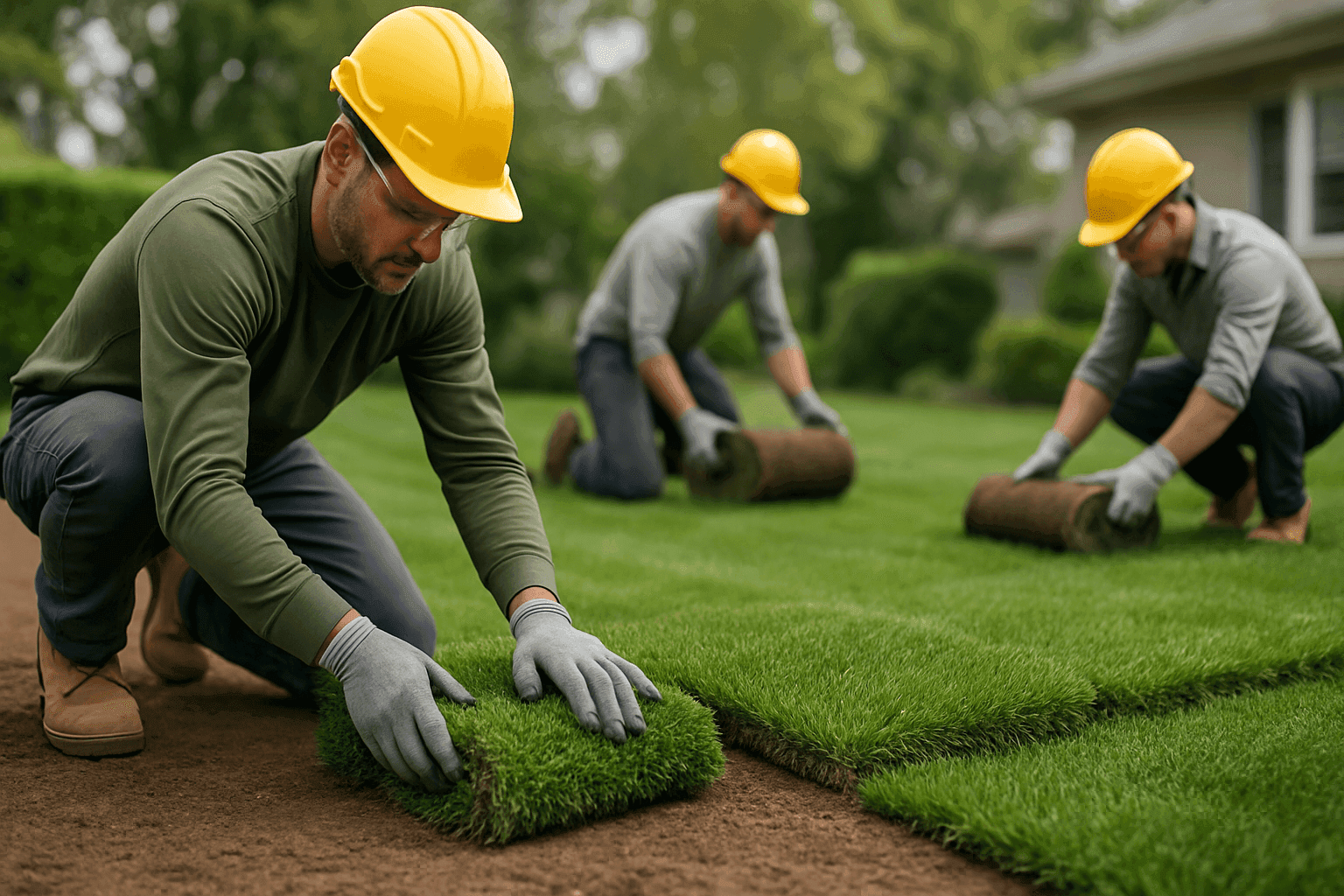
A lush, green lawn doesn’t happen by accident. It’s like building a house—the foundation matters. Choosing the right sod is the cornerstone for landscaping that not only looks great but stands up to real life, from backyard barbecues to the daily hustle of a commercial property.
At Vincentown Landscape, we’ve seen time and again how the right start makes all the difference. Whether you’re a homeowner dreaming of picnic-perfect grass or a business manager wanting curb appeal that lasts, let’s dig into the essentials of sod selection and care.
Identifying Your Lawn’s Needs 🌱
Before you roll out new sod, it’s crucial to understand what your lawn actually needs. Picture your yard as a living room—would you put white carpet in the muddiest, busiest spot? Sod selection is a lot like that.
Sun, Shade, and Foot Traffic
- Sunlight: Does your lawn bake in full sun, or is it shaded by trees or buildings most of the day? Some types of sod love the spotlight, while others thrive in the cool shadows.
- Usage: Is this a playground for kids and pets, or a showpiece for your business? Consider how much foot traffic the area gets.
- Climate: Local weather patterns play a major role. Hot, dry summers or wet, chilly springs? Every grass has its comfort zone.
- Soil Type: Sandy, clay, or loamy—soil texture changes how well sod roots and grows.
Pro Tip: Start With Soil Testing
Just like a doctor’s checkup, a soil test gives you a clear picture of what’s happening below the surface. Soil testing reveals pH, nutrient levels, and drainage issues. This step saves a heap of trouble down the road—healthy soil means your sod won’t just survive, it’ll thrive. The USDA and local cooperative extensions offer reliable soil testing guidelines.
Popular Types of Sod and Their Benefits
Not all sod is created equal. Each type brings its own strengths. Here are the most popular sod options for residential and commercial projects:
Kentucky Bluegrass
Known for its rich color and fine texture, Kentucky Bluegrass is the classic choice for northern climates. It handles cold winters and moderate use well. But it loves the sun—shade can leave it thin.
Tall Fescue
Tall Fescue is the workhorse of the grass world. Deep roots make it drought-tolerant. It’s ideal for high-traffic areas and adapts to a range of soils. If you want durable landscaping or "sod installation near you" that can handle kids, dogs, or crowds, this is a top pick.
Bermuda Grass
Sun worshippers rejoice—Bermuda grass loves heat and bounces back from heavy use. It’s a top choice for athletic fields and sunny commercial spaces in warmer regions.
Zoysia Grass
Slow-growing but tough, Zoysia forms a dense carpet that chokes out many weeds. It tolerates both heat and moderate shade, making it versatile for diverse landscapes.
St. Augustine
If your yard is more shaded and you’re in a southern climate, St. Augustine is your friend. Its broad blades create a thick, cushiony turf.
Why the Right Sod Matters
Choosing the right sod isn’t just about looks. It’s about building a lawn that stands up to pests, resists weeds, and stays healthy with less effort. The right match between sod, soil, and climate sets you up for years of enjoyment and less frustration.
Steps to Prepare Your Yard for Sod
You wouldn’t paint a wall without prepping it first. Installing sod is no different. Preparation is key, whether you’re working on a small garden bed or a sprawling commercial lawn.
1. Clear the Area
Remove old grass, weeds, rocks, and debris. Use a sod cutter or shovel for thorough clearing. Starting with a clean slate means your new sod won’t have competition.
2. Grade and Level
Smooth out bumps and fill in low spots. Proper grading ensures water drains away from buildings and doesn’t pool on the lawn—this helps prevent future headaches like soggy patches or root rot.
3. Test and Amend Soil
Remember that soil test? Use the results to add what’s missing—lime to adjust pH, compost for nutrients, or sand for drainage. Healthy soil is the difference between a lawn that’s just okay and one that wows.
4. Install Irrigation
Setting up irrigation before laying sod saves time and water. Whether you choose sprinklers or drip lines, consistent watering is vital during those first few weeks.
5. Final Preparation
Rake the soil smooth, breaking up clumps. Roll the area lightly to settle the surface. Now you’re ready for sod.
How to Install Sod Correctly
Laying sod can feel like assembling a giant puzzle. Here’s how to get crisp, seamless results:
1. Lay Sod Immediately
Sod is perishable. Install it the same day it arrives for best results. Delays can lead to dry, patchy areas.
2. Stagger the Seams
Lay sod in a brickwork pattern—this prevents visible lines and helps the pieces knit together. Fit edges snugly, but don’t stretch or overlap.
3. Press Down the Edges
Gently tamp seams with the back of a rake or use a roller. This removes air pockets and ensures good contact between sod and soil.
4. Water Thoroughly
Give the new sod a deep drink right away. Keep it moist (not soggy) for the first two weeks. Water daily, early in the morning, while roots establish.
5. Avoid Foot Traffic
Keep off the new lawn until the sod has rooted—usually 2–3 weeks. If you need to cross, lay down boards to spread your weight.
Safety Note
Follow local safety and building codes for irrigation and grading, especially for commercial or high-traffic properties. The American Society of Landscape Architects and your state’s Cooperative Extension are reliable resources.
Common Mistakes to Avoid After Installation 🚫
Even the best-laid sod can run into trouble if post-installation care goes sideways. Here’s what to watch out for:
- Underwatering or Overwatering: Too little water means dry, brown patches. Too much, and roots can rot.
- Mowing Too Soon: Wait until the grass is at least 3 inches tall and well-rooted before mowing. Dull blades tear up new sod.
- Ignoring Weeds: Pull weeds early and often. A dense, healthy lawn is the best weed control.
- Skipping Fertilization: New sod needs nutrients. Follow a reputable lawn care schedule—The University of California’s Integrated Pest Management Program offers clear, research-based recommendations.
Bonus Tip: Ongoing Maintenance
Regular maintenance—like aerating, mulching, and seasonal cleanups—keeps sod strong. Consistent care also helps prevent future pest and weed problems, saving you time and money in the long run.
How Proper Sod Selection Prevents Weeds and Pest Issues
Think of the right sod as your lawn’s first line of defense. Dense, healthy turf shades out weed seeds and leaves less room for pests to move in. Matching sod to your soil and climate means fewer bare spots, which are magnets for trouble. Plus, tough varieties like Zoysia and Tall Fescue are naturally more resistant to common lawn pests.
Differences for Various Climates and Soil Types
No two properties are exactly alike. Local climate and soil conditions should always influence your sod choice:
- Cool Climates: Choose cold-hardy grasses like Kentucky Bluegrass or Fescue.
- Warm Climates: Bermuda, Zoysia, or St. Augustine thrive in heat and humidity.
- Sandy Soils: Look for sod with deeper root systems that handle drought.
- Clay Soils: Pick varieties that can tolerate occasional excess moisture.
The National Turfgrass Evaluation Program is an excellent resource for comparing grass performance in different regions.
Actionable Next Steps
- Start with a soil test. This is your roadmap.
- Assess your site: Note sun, shade, foot traffic, and drainage.
- Pick sod suited to your climate and needs. Don’t just go with what’s popular—go with what fits.
- Prep thoroughly and install with care. Don’t rush the process.
- Commit to ongoing maintenance. Healthy lawns are made, not born.
Should You Consult a Pro?
Sod installation looks straightforward, but bigger spaces or tricky sites (like slopes, shaded areas, or commercial properties) can be a real puzzle. Professionals like Vincentown Landscape handle every detail—from soil testing and grading to irrigation and finishing touches—so you get a lawn that lasts.
FAQ
How soon can I walk on my new sod?
Wait at least 2–3 weeks, until the roots have anchored. Test by gently lifting a corner—if it resists, you’re good to go.
Do I really need to fertilize right away?
Yes. New sod needs nutrients to get established. Use a starter fertilizer recommended for your sod type.
What if I see gaps or seams after installation?
Water well and keep off the area. Most seams knit together as roots grow. For persistent gaps, fill with a bit of soil and overseed if needed.
Can I install sod in any season?
Cool-season sod is best installed in spring or early fall. Warm-season sod thrives when temperatures are consistently warm.
Local and Seasonal Considerations
In regions with hot summers, early morning installation and deep watering are especially important. For snowy areas, late spring is best—this gives roots time to establish before winter. Always follow local guidelines for water use and landscape maintenance.
Ready for a lawn that stands out for all the right reasons? Call Vincentown Landscape now — or reach us anytime at 855-552-6470 .